

+86 0563-4308958
+86 15256308270
sales@qasimcn.com
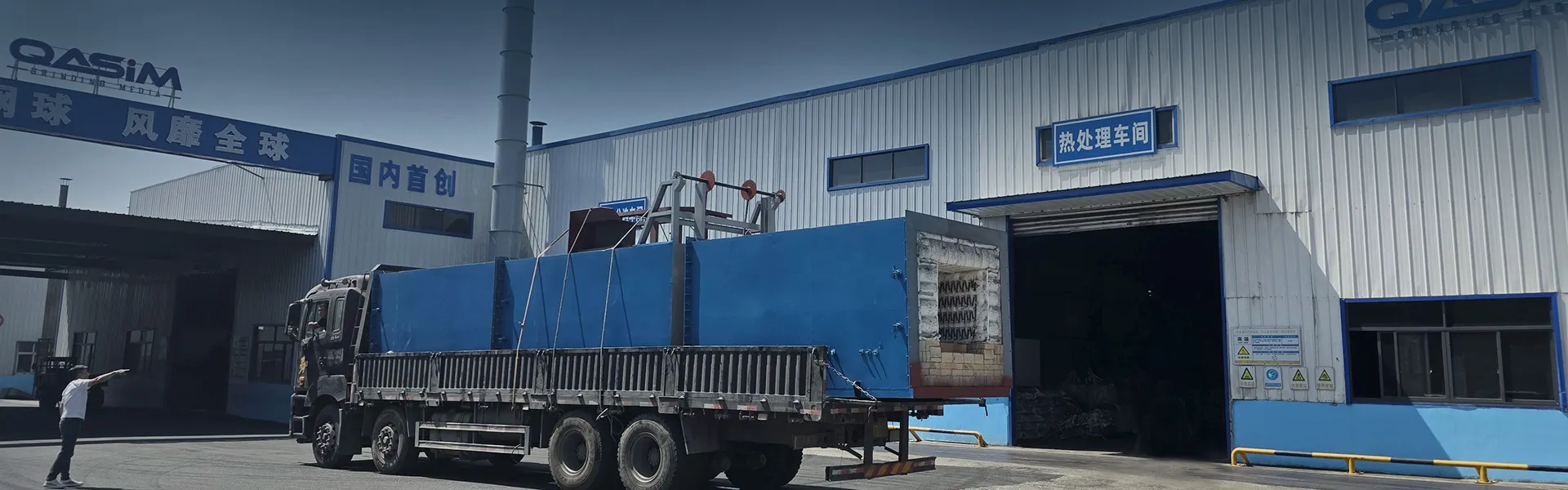
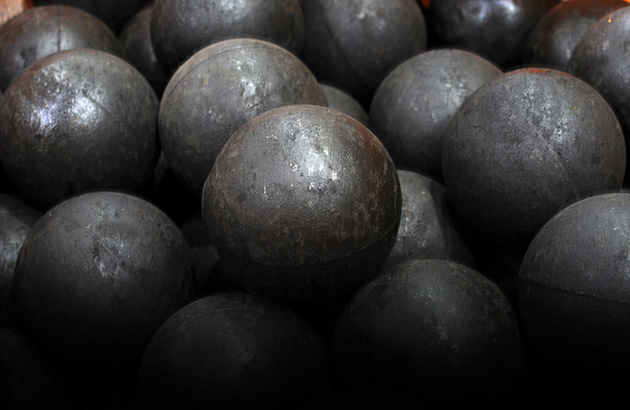
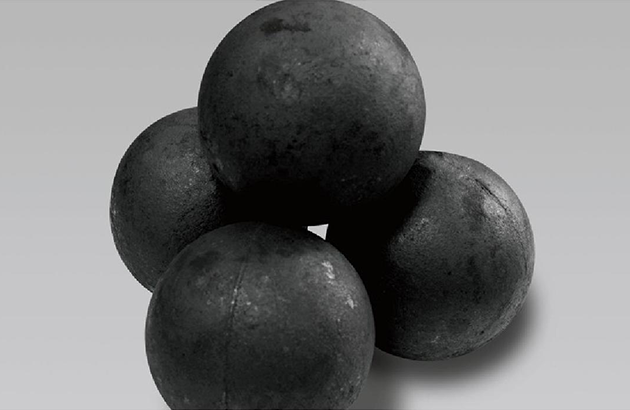
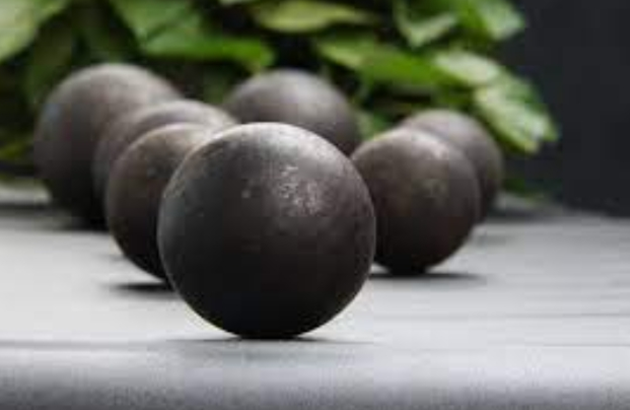
High chrome grinding balls are an essential component in many industrial grinding processes, particularly in mining, cement production, and power generation. Their superior hardness, wear resistance, and corrosion resistance make them ideal for environments that demand high durability and consistent performance.
The manufacturing process behind these alloyed steel balls is a complex, precisely engineered sequence that determines their final performance characteristics. This article provides a detailed, step-by-step exploration of the entire production process of high chrome grinding balls—from raw material selection to final quality control—while explaining how each stage contributes to the ball’s wear resistance, impact toughness, and service life.
The foundation of a high-performance grinding ball begins with the correct selection of raw materials. The core components typically include:
High-quality alloy steel scrap or billets
Precise ratios of chromium, carbon, manganese, and molybdenum
Rare earth or trace elements for grain refinement (in advanced products)
Each element plays a specific role in enhancing hardness, microstructure stability, and corrosion resistance. For example, chromium forms hard carbides that resist abrasion, while carbon influences the hardness and tempering response of the steel.
The chemical composition must be strictly controlled through spectrographic analysis to ensure uniformity, as even slight variations can affect the heat treatment response and performance characteristics.
Once raw materials are prepared, they are melted in an electric arc furnace or induction furnace. These furnaces allow for precise temperature control and homogeneity during alloying.
During this stage:
Slag formation helps remove impurities.
Alloying elements like chromium are added to reach the desired chemical composition.
Deoxidizers and fluxes may be introduced to prevent gas porosity or oxide inclusions.
The molten metal is kept under strict thermal monitoring to ensure complete dissolution of all elements, preventing segregation and promoting a uniform microstructure in the final product.
The molten alloy is poured into preheated molds using one of the following casting methods:
Sand casting (for standard shapes)
Metal mold casting (for tighter tolerances)
Lost foam casting (for advanced geometry and surface finish)
Each mold is designed to create uniform solidification, minimizing defects like shrinkage cavities or internal porosity. Chills or risers are often added to control cooling rates and prevent hot spots.
The design of the mold also plays a critical role in grain structure formation, which affects impact toughness and crack resistance. A well-designed mold promotes directional solidification, which improves material strength.
Once the casting has solidified, the mold is broken open (in sand casting) or the product is extracted from the reusable mold (in metal mold casting). The ball is then:
Separated from runners and gates
Cleaned using shot blasting or grinding
Inspected for surface defects
This step ensures the removal of any surface slag or flash and prepares the ball for heat treatment. Smooth surfaces at this stage reduce the risk of premature cracking or surface spalling later in service.
Heat treatment is the most critical step in determining the mechanical properties of high chrome grinding balls. This process typically includes:
Preheating relieves internal stresses caused by solidification and prepares the structure for hardening.
The balls are heated to high temperatures (typically 850–1050°C), then rapidly cooled using:
Oil quenching
Air mist quenching
Polymer solutions
This transforms the structure into martensite, a hard crystalline phase that provides wear resistance.
After quenching, tempering is done at moderate temperatures (150–400°C) to relieve internal stresses, increase toughness, and stabilize the microstructure.
The goal is to achieve a surface hardness above 58–65 HRC while maintaining a tough, non-brittle core. Properly tempered balls resist both abrasive and impact wear.
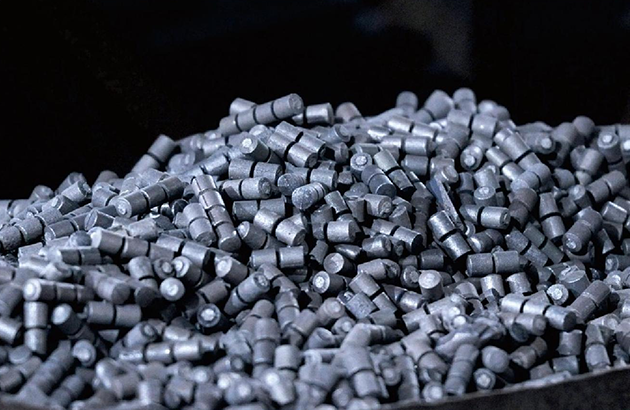
Multiple quality checks are conducted throughout the process:
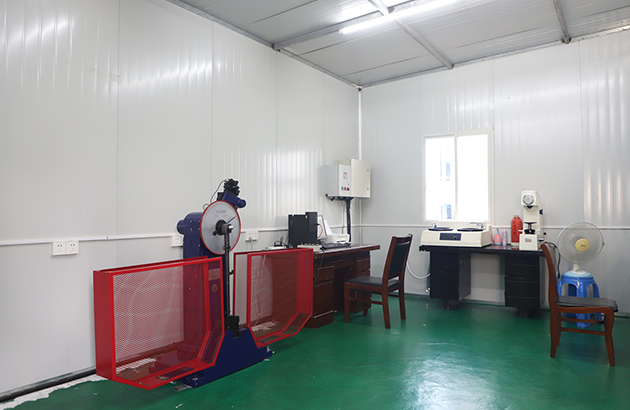
Chemical analysis using optical emission spectrometers
Hardness testing across the surface and core
Impact resistance tests following industry standards
Microstructure examination via optical or electron microscopy
Defective or non-conforming products are rejected or remelted. Only balls that meet all mechanical and metallurgical specifications proceed to the final packaging stage.
To further enhance performance, some balls undergo surface treatments such as:
Shot peening: Increases fatigue resistance by inducing compressive stress
Polishing: Reduces friction and improves contact efficiency
Passivation or coating: Adds corrosion resistance in wet grinding environments
Surface treatments enhance ball performance in demanding applications and prolong service life in corrosive slurries or high-temperature milling systems.
Once fully inspected and finished, grinding balls are:
Weighed and labeled by diameter and grade
Packed in steel drums, bulk bags, or wooden crates
Stored in dry, ventilated conditions
Proper packaging ensures safe handling and transportation while maintaining the ball’s surface quality. Labels include key specs such as size, hardness, batch number, and date of production for traceability.
Advanced manufacturers maintain complete production records for each batch, including:
Raw material origin
Chemical composition
Heat treatment curve
Test results
Traceability supports process improvement, customer confidence, and compliance with industry certifications or audits.
The industry continues to evolve, with innovations that improve quality and consistency:
Computer-controlled casting and heat treatment lines ensure consistency and reduce human error.
Real-time monitoring of temperature, pressure, and chemical composition improves process control and reduces defect rates.
Advanced modeling software enhances casting quality by simulating fluid flow, solidification, and stress development.
Efforts to reduce emissions, recycle metal waste, and minimize energy use are becoming standard in environmentally responsible manufacturing.
A grinding ball’s final performance is determined not only by its composition but also by the precision of its manufacturing. Poorly controlled processes can lead to:
Surface cracks
Internal porosity
Poor hardness uniformity
Premature failure
On the other hand, a well-made high chrome grinding ball:
Maintains shape longer
Resists chipping and spalling
Delivers consistent energy efficiency
Requires less frequent replacement
Quality manufacturing, therefore, directly translates into lower operating costs, reduced energy use, and improved plant productivity.
The manufacturing process of high chrome grinding balls is a multi-stage operation that requires precision, experience, and strict quality control. From alloy selection and melting to heat treatment and final inspection, every step plays a vital role in ensuring performance, durability, and energy efficiency.
As demand for high-performance grinding media grows, manufacturers continue to innovate with advanced casting methods, intelligent heat treatment systems, and sustainable practices. Understanding the manufacturing journey helps industries make informed decisions when selecting grinding media for optimized productivity and long-term cost savings.
 Español
 Portugues
 Pусский
 Français
 中文
中文



 Phone
Phone
Comment
(0)