

+86 0563-4308958
+86 15256308270
sales@qasimcn.com
grinding balls Market Trends and Industrial Application Insights
Exploring Industry Dynamics, Growth Drivers, and Real-World Applications
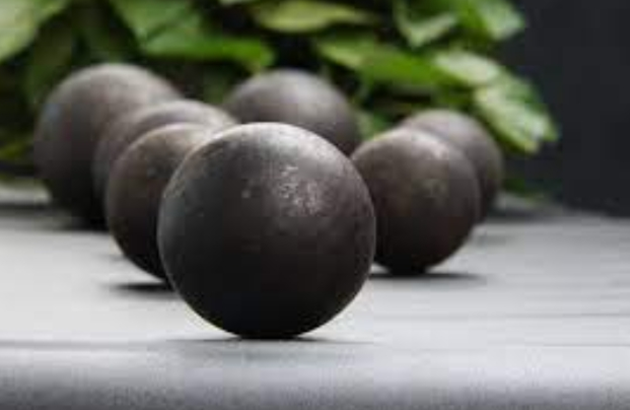
Grinding balls are essential components in many industrial processes, including mining, cement manufacturing, thermal power generation, metallurgy, and chemical production. As grinding media inside ball mills, they are responsible for material size reduction, impacting everything from product quality to energy consumption.
In recent years, the grinding ball market has undergone significant shifts due to changes in raw material demand, technological advancements, sustainability trends, and cost optimization efforts. Understanding current market trends and real-world applications of grinding balls is critical for plant managers, procurement specialists, and engineers seeking to improve efficiency, reduce costs, and stay competitive.
This article provides a detailed analysis of grinding ball market trends and offers insights into industrial applications, material preferences, and performance expectations across key sectors.
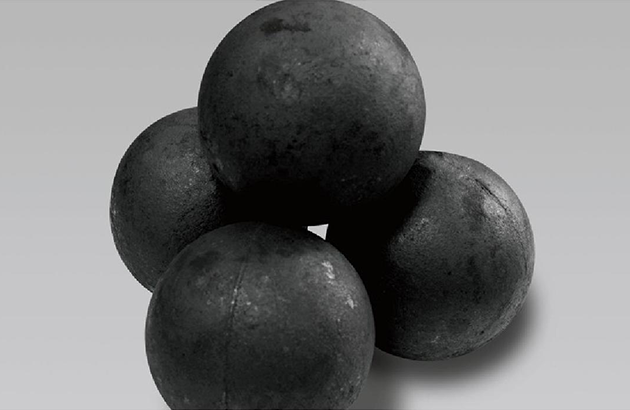
Grinding balls are categorized by size, material, hardness, and manufacturing process (forged or cast). They are used to crush or grind raw materials into finer particles through continuous impact and abrasion.
The global demand for grinding balls is strongly linked to:
Expansion in the mining sector
Growth in cement infrastructure projects
Technological upgrades in power generation
Increasing awareness of energy efficiency
As industries seek higher throughput with lower environmental impact, grinding ball selection is evolving from cost-driven decisions to performance-based and sustainability-focused choices.
Industrial users are increasingly favoring grinding balls that offer:
Higher hardness and wear resistance
Longer service life
Optimized energy transfer
Consistent size and shape retention
This shift is driven by the need to minimize mill downtime, improve grinding efficiency, and reduce overall media consumption.
Energy costs and environmental regulations are reshaping the market. Energy-saving grinding balls are now widely adopted for their ability to:
Reduce electricity usage per ton of material processed
Lower carbon emissions
Minimize ball fragmentation and waste
This trend supports both operational savings and sustainability goals.
There is a growing demand for advanced materials like:
High-chromium cast iron for superior wear resistance
Alloy steel with added elements (e.g., molybdenum, boron)
Ceramic grinding media in ultra-fine or contamination-sensitive applications
These materials help optimize grinding performance across diverse operating conditions, such as high temperatures, corrosive environments, or fine particle requirements.
One-size-fits-all grinding media are being replaced by application-specific solutions. More manufacturers now offer Customized grinding balls tailored to:
Ore hardness and abrasiveness
Mill type and operational load
Final product particle size requirements
Wet or dry grinding conditions
This trend reflects a broader shift toward precision and productivity in industrial operations.
Digital tools like mill sensors and AI-based analytics are gaining ground, allowing users to monitor:
Media wear patterns
Energy usage
Particle size distribution
Ball impact trajectories
This data supports informed grinding media selection and process optimization, further enhancing market sophistication.
Grinding balls are critical in multiple industries. Each application imposes unique requirements on media composition, durability, and efficiency.
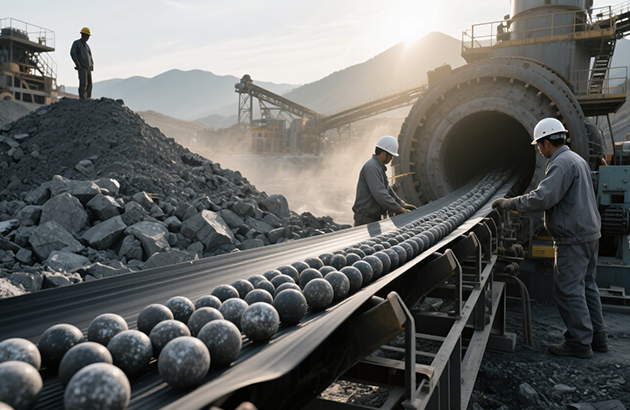
The mining sector accounts for the largest share of grinding ball consumption, especially in mineral processing operations.
Common applications:
Comminution of copper, iron, gold, and nickel ores
SAG mills and ball mills for primary and secondary grinding
Liberation of valuable minerals prior to flotation or leaching
Media expectations:
High toughness to withstand heavy impact
High wear resistance due to abrasive ores
Cost-effectiveness for large-scale operations
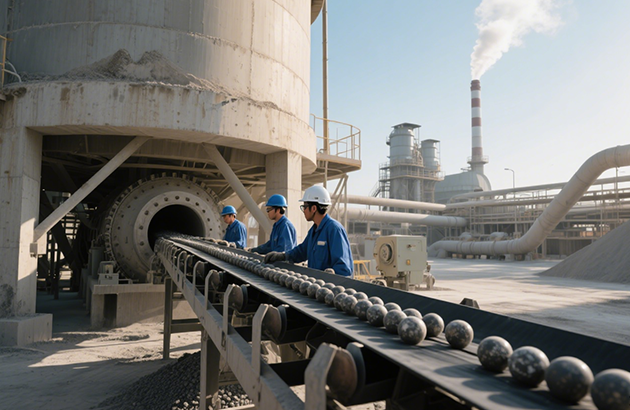
Cement plants use grinding balls in raw mills and finish mills to reduce limestone, clinker, and additives to fine powder.
Application demands:
Uniform size and surface for even grinding
Resistance to dry abrasion and high temperatures
High-chromium media preferred for finish grinding
The rise in green cement production is also increasing interest in energy-efficient grinding media.
Coal-fired power plants use grinding balls to crush coal into fine powder for boiler combustion.
Key requirements:
Abrasion resistance in dry environments
Resistance to thermal stress
Optimized particle size control for combustion efficiency
Grinding balls improve coal fineness, ensuring cleaner and more complete burning.
Grinding balls are used to process raw materials like slag, silicates, and chemical precursors.
Needs include:
Contamination-free grinding
Resistance to chemical corrosion
Ability to work in ultra-fine particle ranges
Special alloy and ceramic balls are often selected to meet these needs.
In sectors where purity is critical, ceramic grinding balls are preferred.
Applications:
Paint and pigment dispersion
Pharmaceutical and cosmetic ingredients
Food additive micronization
Ceramic balls offer inert, non-toxic, and abrasion-resistant properties.
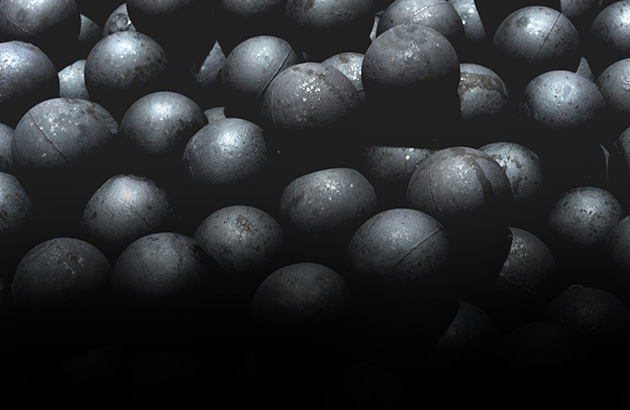
The grinding ball market exhibits regional diversity:
Asia-Pacific dominates due to high mining activity and infrastructure development in China, India, and Southeast Asia.
North America shows steady demand in mining and energy sectors, with increased interest in sustainable solutions.
Europe is moving toward low-carbon grinding technologies in line with strict environmental regulations.
Latin America and Africa are emerging markets with strong mineral reserves driving grinding ball use.
Despite growth opportunities, the market faces several challenges:
Fluctuating steel and alloy costs affect product pricing and margins.
Substandard products compromise mill performance and pose safety risks.
Sustainability regulations require cleaner manufacturing processes and recyclable media.
Selecting the right grinding media requires in-depth understanding of application-specific dynamics, which can be a barrier for smaller operators.
Ongoing development of new alloys, heat treatment techniques, and composite structures will unlock higher-performance grinding media.
Untapped mining and infrastructure projects in Africa and South America offer new sales opportunities.
AI-driven media selection and performance monitoring will become standard features in advanced grinding setups.
Grinding balls made from recycled alloys or renewable materials will attract eco-conscious industries.
The grinding ball market is evolving from basic commodity supply to performance-driven, application-specific solutions. With industries under pressure to increase throughput, reduce energy use, and align with sustainability goals, grinding ball selection is now a strategic decision with operational and financial consequences.
 Español
 Portugues
 Pусский
 Français
 中文
中文



 Phone
Phone
Comment
(0)