

+86 0563-4308958
+86 15256308270
sales@qasimcn.com
How grinding media balls Improve Efficiency in Industrial Milling
A Comprehensive Guide to Performance, Material Science, and Process Optimization
Grinding media balls are essential tools in the world of industrial milling. They play a central role in the comminution process—reducing large raw materials into smaller particles that are suitable for downstream processing or final product use. Whether in the mining sector, cement manufacturing, or thermal power generation, the efficiency and productivity of a grinding mill often depend on the quality and performance of its grinding media.
This article explores the mechanisms by which grinding media balls enhance efficiency in industrial milling operations. It analyzes their impact on grinding kinetics, energy consumption, material throughput, and operational cost. From the physical characteristics of the balls to their metallurgical properties and application-specific roles, we’ll uncover how grinding media serve as performance multipliers in high-demand environments.
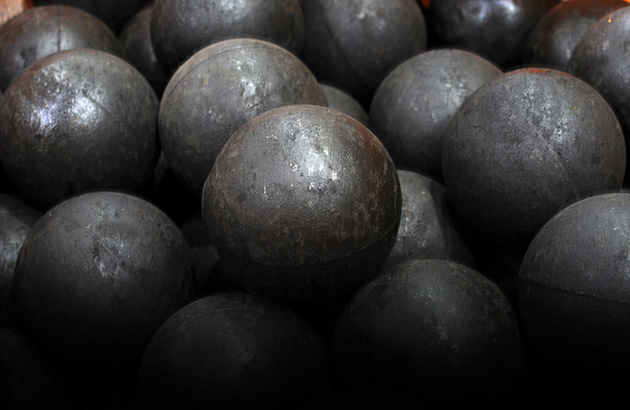
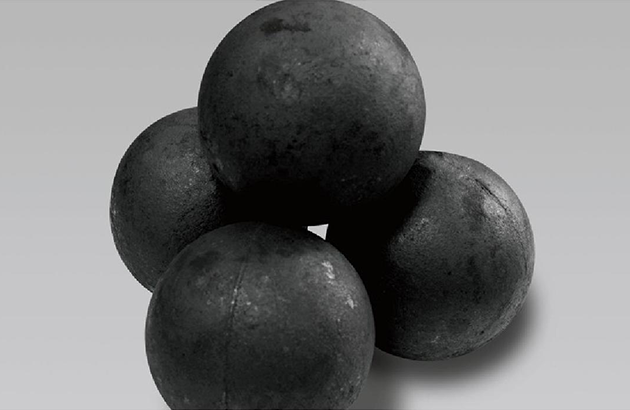
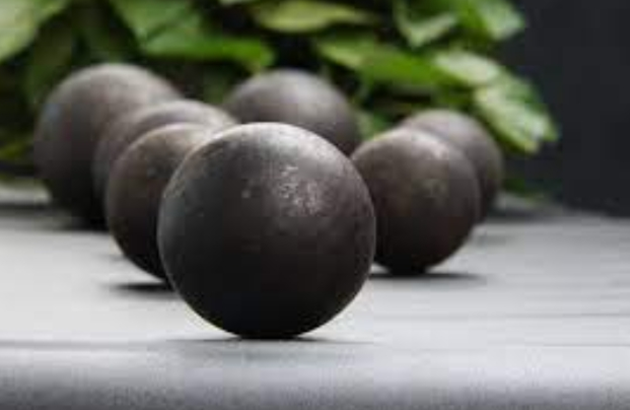
Grinding media balls are spherical components—usually made from steel, alloys, or ceramics—used in rotating mills. These balls impact and grind materials to achieve particle size reduction. Their properties, such as hardness, size, and composition, are carefully chosen to match the operational conditions and target output of the mill.
In a typical mill, grinding occurs through:
Impact: Balls collide with raw material, fracturing larger chunks.
Abrasion: Rolling and sliding grind finer particles through surface contact.
Attrition: Constant contact with particles causes micro-cracking and refinement.
Grinding efficiency depends not only on mill design and speed but also on the media’s effectiveness in facilitating these processes.
The primary function of grinding media is to reduce material particle size. High-quality grinding balls:
Maintain uniform size and density, creating consistent impact forces.
Deliver higher energy per contact due to optimized weight and hardness.
Produce a more uniform grind, improving downstream processing or final product quality.
Effective size reduction allows industries to reach desired fineness levels faster and with greater control.
Industrial milling is energy-intensive. Poorly chosen grinding media lead to excessive energy use with marginal output. Efficient grinding balls:
Minimize energy loss through reduced friction and better energy transfer.
Enable optimal grinding at lower mill speeds.
Improve throughput without increasing power consumption.
This directly reduces electricity costs—an increasingly critical factor in operational budgeting.
Wear-resistant grinding media decrease:
Media consumption rates
Mill liner degradation
Maintenance downtime
By extending service life, high-quality balls improve mill availability, uptime, and overall productivity.
Media hardness directly impacts resistance to wear and the ability to transfer energy. However, overly hard balls may fracture under high impact.
Balance is key:
Hardness ensures durability and grinding force.
Toughness prevents breakage and spalling.
Chromium alloy, forged steel, and heat-treated balls are optimized to deliver both.
The density of grinding media determines its momentum. Denser balls (e.g., high-chromium or ceramic) carry more kinetic energy, improving grinding power without increasing mill speed.
Spherical, smooth-surfaced balls reduce internal friction and roll freely, maximizing contact points and minimizing wear on liners. Irregular shapes can lead to dead zones and reduced efficiency.
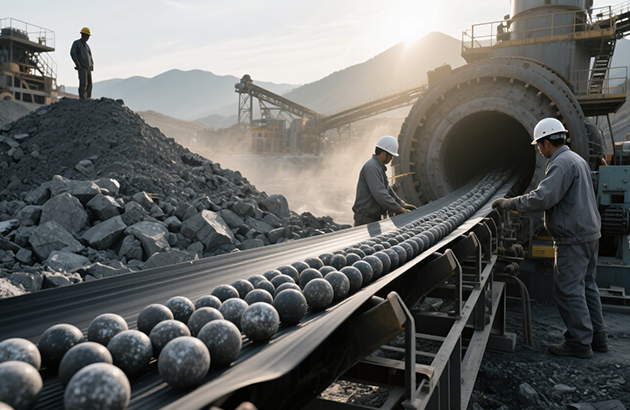
Grinding media are crucial for mineral liberation. Ore characteristics like hardness and abrasiveness dictate media selection.
Preferred features:
High-impact resistance
Long wear life
Uniform ball size for flotation-grade grinding
Chromium alloy and forged steel balls are common in copper, gold, and iron ore grinding.
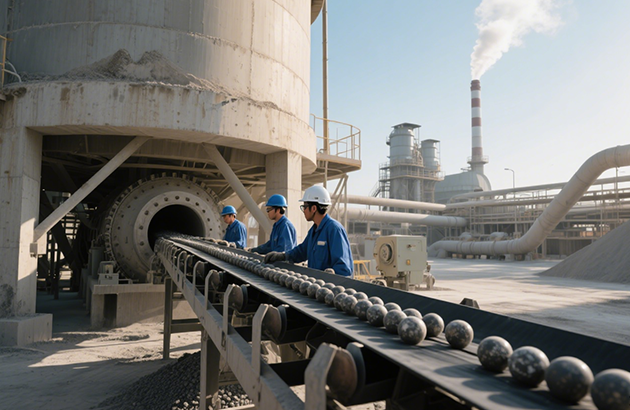
In cement plants, mills grind clinker, gypsum, and additives. Fineness and consistency affect setting time, strength, and product quality.
Grinding ball considerations:
Resistance to dry abrasive wear
Thermal stability
Consistency under prolonged operation
High-chromium cast balls are widely used in cement finish mills.
Coal pulverization in power stations requires stable grinding conditions for consistent combustion.
Efficiency focus:
Reduced ball degradation
Controlled particle size
Heat resistance under dry conditions
Medium to high-chromium balls are ideal here for their thermal durability.
Fine grinding is essential for pigment production, catalyst activation, and chemical synthesis.
Requirements:
Contamination-free grinding
Chemical resistance
Ultra-fine particle generation
Ceramic and corrosion-resistant alloy balls are often used in these specialized fields.
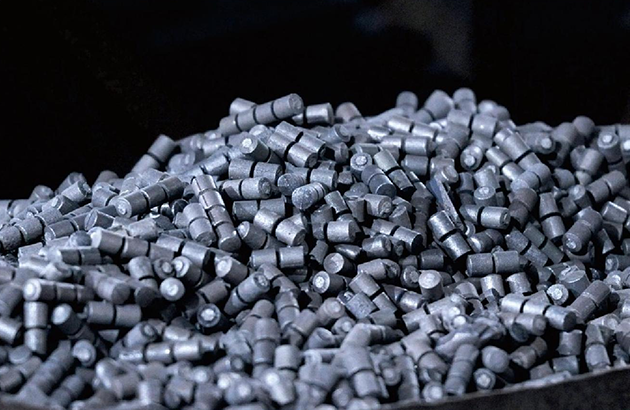
An optimal charge ensures sufficient coverage without overloading the mill. Ball size distribution affects:
Impact energy (larger balls)
Grinding efficiency (smaller balls)
Blended charges offer superior performance across different stages of milling.
Overfilling a mill reduces grinding action due to cushioning effects. Underfilling reduces throughput. Maintaining correct fill levels improves:
Grinding kinetics
Product consistency
Mill motor efficiency
Using wear indicators, laser scanning, or manual inspection, operators can:
Plan timely media replacement
Track wear trends
Adjust mill parameters to maintain efficiency
Predictive maintenance reduces unplanned outages and keeps grinding performance high.
Higher-quality grinding balls wear slower, reducing the volume and frequency of media replacement. This saves on:
Material costs
Labor and handling
Downtime for recharging mills
Efficient media maximize energy utilization by improving size reduction per unit of power. This leads to:
Lower electricity bills
Improved sustainability metrics
Reduced carbon footprint
Stable grinding conditions enable faster processing, increasing total plant output without new equipment investment.
Advanced chromium content (10–30%) produces hard carbides that resist both impact and abrasion, extending media life and improving cost efficiency.
Modern quenching and tempering processes refine internal structures, boosting hardness while maintaining core strength.
Some manufacturers are developing layered grinding media—combining a tough core with a hard outer shell—to deliver both toughness and wear resistance.
Lead-free and recyclable grinding media are gaining popularity in response to environmental regulations and green manufacturing initiatives.
In industries requiring purity (e.g., food or pharma), steel or alloy balls may leach contaminants. Ceramic alternatives or coatings may be needed.
Premium grinding balls cost more upfront but provide better ROI through:
Fewer mill stoppages
Lower wear rates
Improved process control
Decision-makers must evaluate total lifecycle cost rather than unit price alone.
Ensuring consistent quality across batches is vital. Poor-quality grinding balls can result in:
Unpredictable wear
Increased mill vibration
Unexpected downtime
Choosing certified suppliers with advanced metallurgy is crucial.
As industries seek higher productivity, grinding media will continue to evolve:
AI-integrated monitoring systems will track media performance in real-time.
3D printing may enable custom ball design for niche applications.
Nanostructured alloys could deliver unmatched strength and resistance.
Sustainability will drive demand for longer-lasting, recyclable, and energy-efficient grinding media.
Grinding media balls are more than consumables—they are critical performance drivers in industrial milling. Their material properties, design, and application-specific selection directly impact throughput, energy consumption, product quality, and cost control.
By choosing the right grinding media and managing it effectively, industries can achieve:
Superior particle size control
Greater energy efficiency
Lower total operating costs
Longer equipment lifespan
Higher overall productivity
 Español
 Portugues
 Pусский
 Français
 中文
中文



 Phone
Phone
Comment
(0)