

+86 0563-4308958
+86 15256308270
sales@qasimcn.com
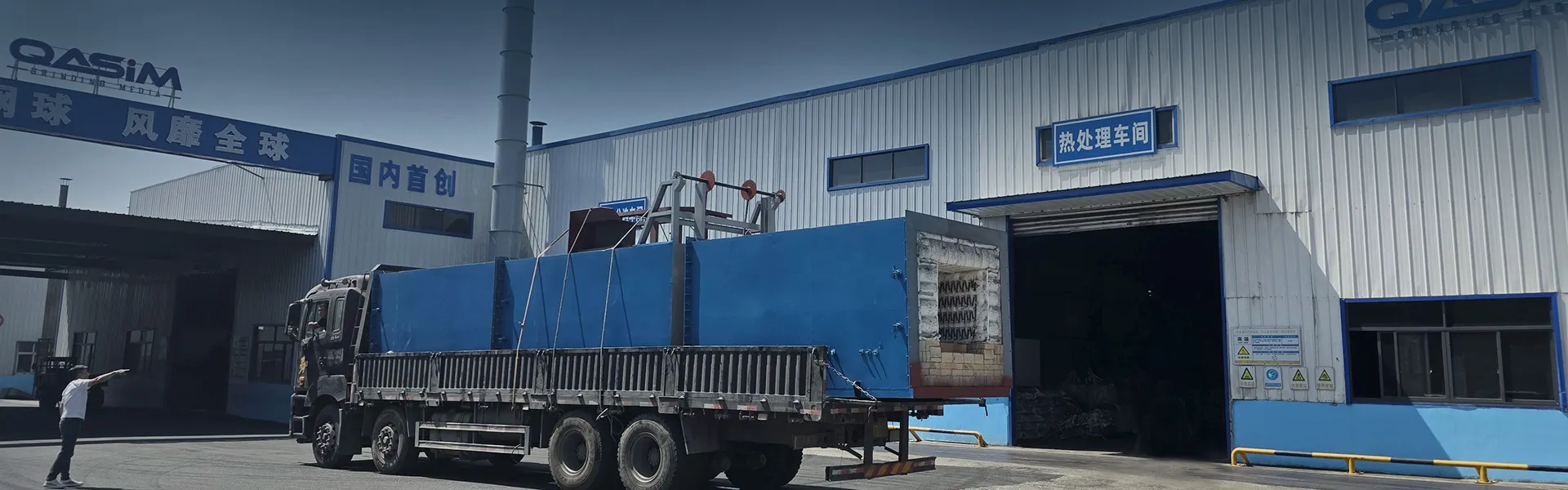
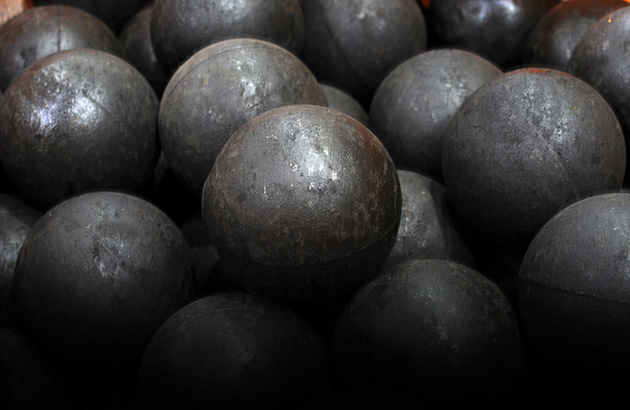
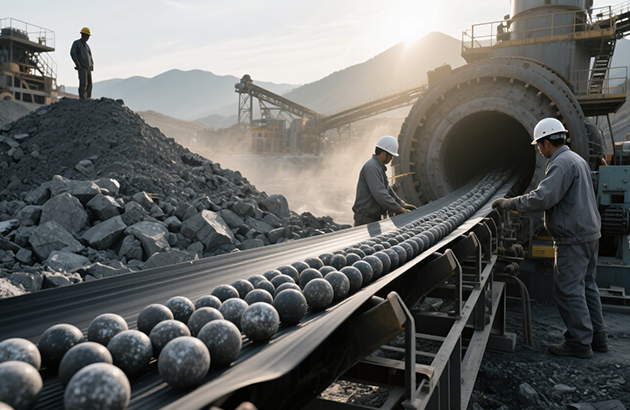
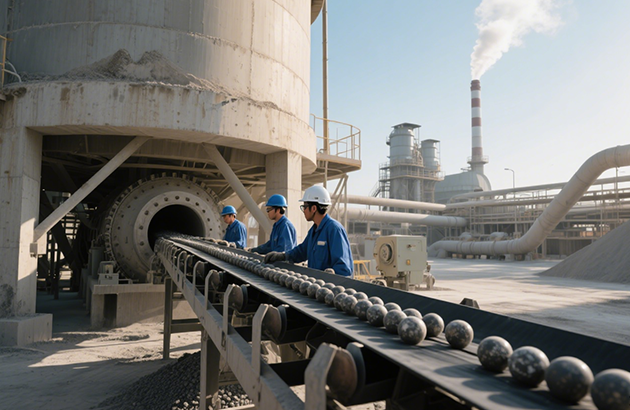
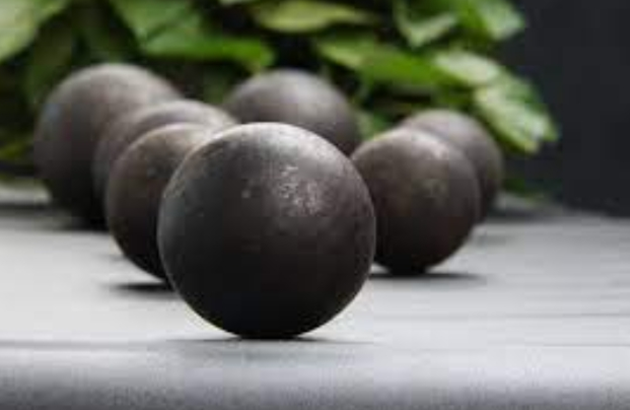
Grinding media are the unsung heroes of industrial milling systems. Whether in mining, cement, or power generation, their role in reducing material size is fundamental to the overall efficiency and productivity of a plant. Over the past two decades, significant innovations in grinding media ball technology have transformed how mills operate, reducing costs, improving output quality, and extending operational lifespan.
This article explores the latest developments in grinding media ball technology and how these innovations contribute to high-performance mills. We’ll cover materials science, manufacturing techniques, heat treatment processes, and smart media management—all driving forces behind today’s high-efficiency grinding systems.
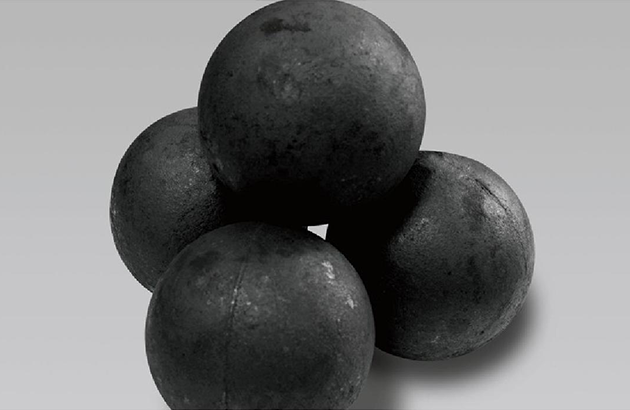
Grinding media balls are responsible for transmitting energy inside mills through impact and abrasion. Their performance influences:
Particle size distribution
Energy consumption
Equipment wear and downtime
Product quality and throughput
Total operational costs
As milling becomes more data-driven and cost-focused, the quality and design of grinding media balls have become strategic levers in plant performance.
Traditional grinding balls were made from low-alloy or cast iron. However, their soft structure and brittleness limited their wear resistance and impact strength.
Modern balls now use:
High chrome alloy steel (10–30% chromium)
Martensitic stainless steels
Bainitic and pearlitic microstructures
Micro-alloyed steels with molybdenum, vanadium, or nickel
These materials offer higher hardness, toughness, and corrosion resistance, extending ball life even under severe grinding conditions.
Recent innovations include balls with graded hardness or composite cores, designed to resist surface wear while maintaining a ductile interior. This prevents breakage and improves performance in high-impact zones.
The heat treatment process is critical to final ball quality. Modern mills demand balls with both high surface hardness and internal toughness. Advances include:
Precise quenching cycles for uniform martensite formation
Multi-stage tempering to relieve internal stresses
Induction hardening for surface reinforcement
Cryogenic treatment to transform retained austenite
These techniques result in grinding media with enhanced wear resistance, minimized spalling, and predictable hardness profiles.
Surface innovations have enabled grinding balls to last longer, especially in corrosive or abrasive environments. Some developments include:
Ceramic or oxide coatings to reduce surface degradation
Passivation films for wet grinding and acidic slurries
Nitriding treatments to improve hardness and reduce friction
These surface engineering approaches help extend ball life and reduce contamination of the milled material.
Ball shape and size uniformity play a big role in mill dynamics. Innovations in ball casting and sizing technology ensure:
Improved sphericity for consistent impact
Tight diameter tolerances for predictable load behavior
Surface finish control to minimize initiation of microcracks
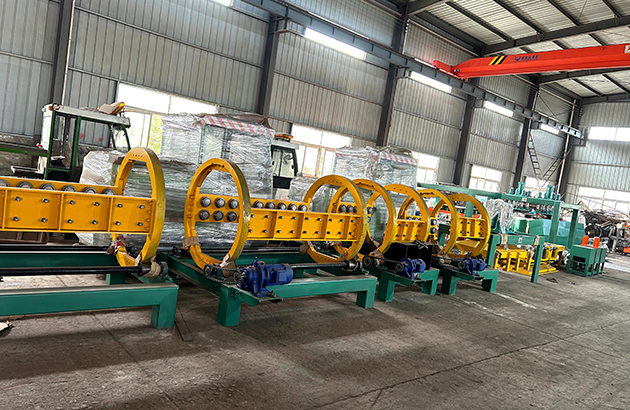
Modern ball manufacturing uses automated molding lines and computer-controlled pouring systems to produce high-precision media at scale.
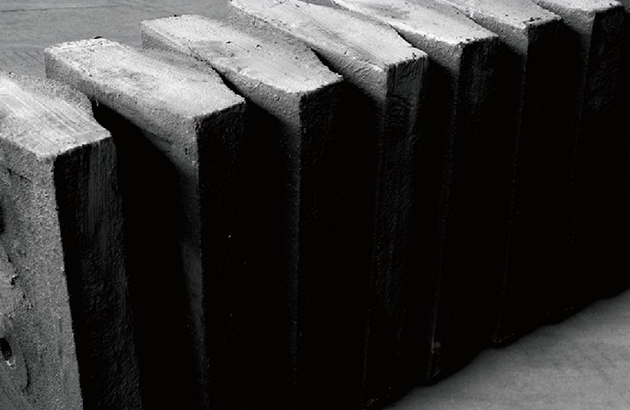
Not all grinding environments are the same. Innovations in ball design have led to customized grinding media for:
Dry vs. wet grinding
Coarse vs. fine particle size targets
SAG, ball, and vertical mills
Ore-specific requirements (e.g., gold, copper, iron)
For example, high chrome balls are preferred in cement finish mills and mineral processing where wear resistance and low contamination are essential, while forged balls may be better suited for high-impact primary grinding.
Technology has reached grinding media management as well. The latest innovations include:
RFID tagging of grinding media batches for lifecycle tracking
Sensor-equipped mills that monitor wear rate in real-time
Digital platforms that analyze ball consumption patterns
AI-assisted ball replenishment planning
This digital integration reduces guesswork and ensures timely interventions, optimizing mill uptime and minimizing losses.
As environmental regulations tighten, sustainable grinding practices are a priority. New developments in grinding ball production include:
Recycled steel inputs in casting
Lower-emission heat treatment processes
Non-toxic coatings that avoid heavy metal leaching
Extended wear life, reducing the frequency of replacement and disposal
These efforts reduce the environmental impact of both production and operation, supporting greener industrial practices.
Adopting the latest grinding media ball technologies offers several quantifiable benefits:
Reduced ball consumption through longer wear life
Improved mill throughput due to consistent impact forces
Lower energy consumption from efficient size reduction
Better product consistency through uniform grinding
Reduced downtime due to fewer ball-related failures
These advantages help mills achieve greater efficiency, profitability, and process control.
In a mineral processing plant switching from low-alloy cast balls to high-chrome martensitic balls:
Ball consumption dropped by 40%
Power usage fell by 12% per ton
Fineness of final product improved by 15%
Mill maintenance was cut by 25%
This illustrates the real-world impact of adopting modern grinding ball technology.
Despite the clear benefits, mills considering new grinding ball technologies must also evaluate:
Compatibility with existing equipment
Upfront investment vs. long-term savings
Supply chain reliability and quality assurance
Process adjustments (e.g., charge mass, mill speed)
Partnering with a technically proficient supplier can ensure a smooth transition and optimal performance.
Looking ahead, we expect to see:
Self-healing coatings that reduce micro-cracking
Nanostructured materials for ultra-hard surfaces
AI-optimized ball design and testing simulations
Eco-friendly biodegradable ball options for low-impact applications
As digitalization and materials science advance, the role of intelligent, high-performance grinding media will become even more central to sustainable, high-efficiency milling.
Innovations in grinding media ball technology are reshaping the way industrial mills operate. From enhanced alloy composition and advanced heat treatments to smart monitoring and sustainability breakthroughs, these developments are driving measurable improvements in mill efficiency, product quality, and cost control.
High-performance grinding media enable:
Longer service life
Lower ball consumption
Reduced energy costs
Greater output consistency
Lower maintenance and downtime
For mining, cement, and other grinding-intensive industries, investing in advanced grinding media is not just a technical choice—it’s a strategic move toward long-term operational success.
 Español
 Portugues
 Pусский
 Français
 中文
中文



 Phone
Phone
Comment
(0)